
AI for YouTube Creators
From the blank-page idea to the published Short, AI now covers every stage of a YouTube video. Here is a practical pipeline a non-coder can run start to finish.
Making a YouTube video used to mean juggling five different skills: research, scripting, design, editing and SEO. You do not need to master all of them anymore. AI tools now handle the heavy lifting at each stage, and your real job becomes taste and direction. This guide walks the whole pipeline in the order you actually work, with the tools worth your time and the steps to follow.
Start with ideas, not a camera
The videos that grow a channel are decided before you film a single frame. Use a research tool to find topics your audience already searches for, then validate that the topic has room to grow rather than chasing something already saturated. Type a seed keyword, look at the suggested variations, and note which ones have steady interest but a thin field of strong videos.
Free AI YouTube Script GeneratorGenerates scripts structured with hooks, transitions and calls to action tuned to YouTube retention patterns.vidiq.comTitles and thumbnails come next, not last
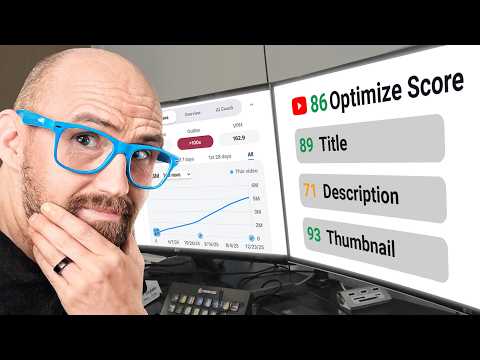
Decide the title and thumbnail concept before scripting, because they are the promise the whole video has to keep. Ask a writing model for ten title variations against your topic, then keep the two that are specific and create a small curiosity gap. Sketch the thumbnail idea in plain words and generate it in a design tool. A clean face or object, three words of text at most, and high contrast read better on a phone than a busy collage.
Script for retention
Hand your topic, your title and your audience to a long-form writing assistant and ask for an outline first, then a draft. The opening fifteen seconds matter more than the rest combined: state the payoff, show you will deliver it, and remove the slow throat-clearing intro. Then edit the draft in your own voice. AI gets you to a structured first pass fast, but the personality that keeps people watching is yours.
Step-by-Step Guide: Writing a Script for Video Using AIWalks through prompting a model to outline and then draft a complete video script from a single topic.maekersuite.comEdit faster with AI
Modern editors let you cut by editing a transcript like a document, remove filler words automatically, and add captions in one pass. This is where beginners save the most time. Get a rough cut from the transcript edit, drop in B-roll where the script calls for it, and let the tool generate captions you then proof for accuracy.
| Stage | Tool | What it does |
|---|---|---|
| Ideas and SEO | vidIQ | Keyword research, title ideas and an AI coach |
| A/B testing | TubeBuddy | Live testing of titles and thumbnails |
| Scripting | Claude | Long-form outlines, drafts and rewriting |
| Thumbnails | Canva | Templates and AI image tools for click-worthy art |
| Editing | Descript | Edit by transcript, remove filler, add captions |
| Shorts | Opus Clip | Turn one long video into ranked short clips |
 17:00
17:00Repurpose every long video into Shorts
One upload should become five or more. Feed your finished long video to a clipping tool, let it score the most promising moments, and post the top clips as Shorts across the week. This is the single highest-leverage habit on the list: the work is already done, you are just reaching the people who will never click a twenty-minute video.
- Research and validate a topic that has real search demand.
- Lock the title and thumbnail promise before you write.
- Outline, draft and then rewrite the script in your own voice.
- Edit by transcript and add captions and B-roll.
- Clip the long video into Shorts and schedule them.
0 Comments
Loading discussion...